About Me
For more than 25 years, I have accompanied people through very different stages of life and health. Throughout my professional journey, one question has become increasingly important to me:
Why do so many people continue to struggle, even when there is no single medical answer to their symptoms?
Again and again, I met people whose wellbeing was deeply affected by chronic stress, emotional overload and the demands of everyday life. While medicine can be essential when we are ill, I also realised how important it is to help people understand their own bodies and develop practical ways to support their health long before illness occurs.
This insight gradually shaped the path that became SilkeBalance.
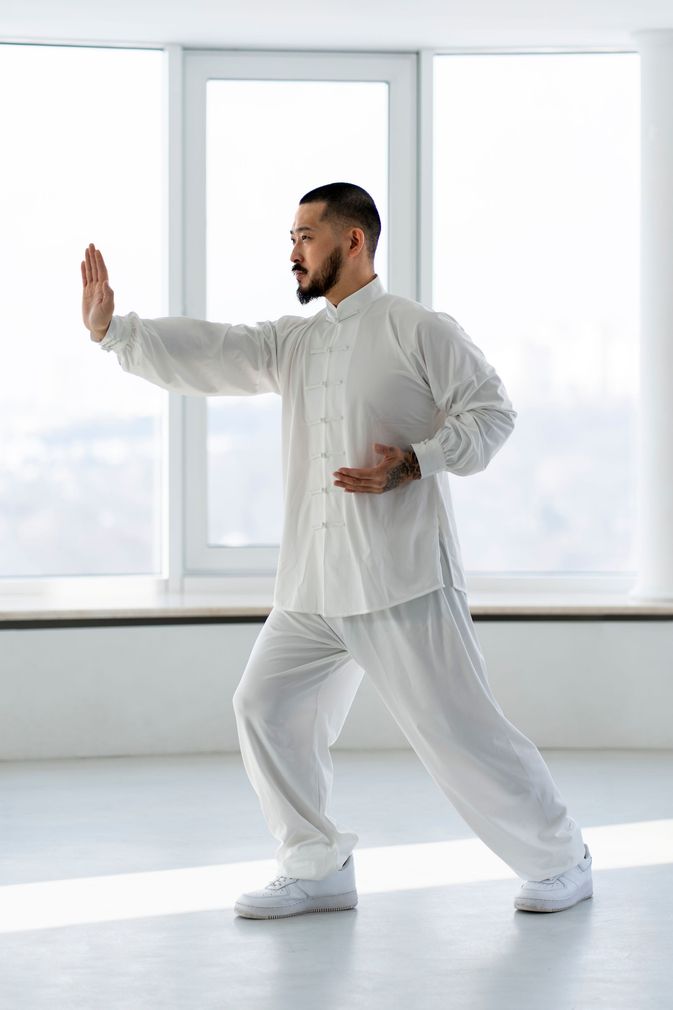
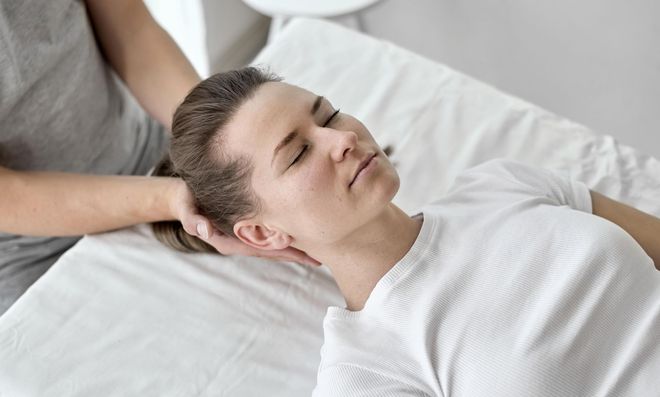
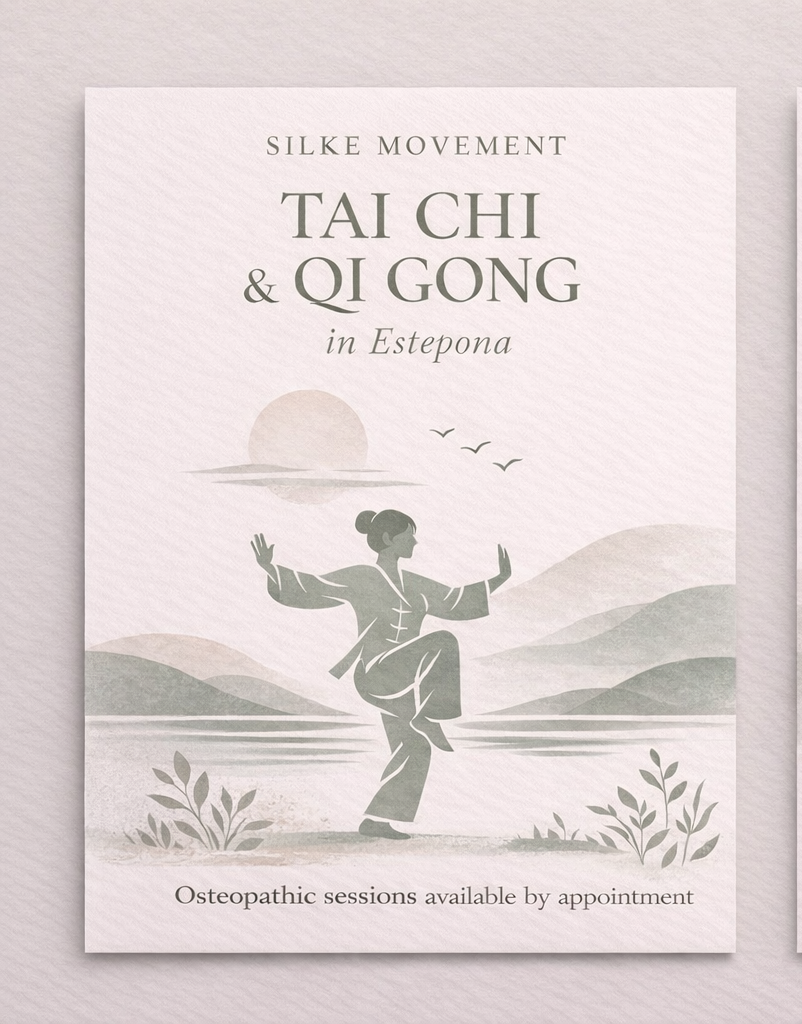
Alongside my professional background in healthcare, I trained in osteopathic medicine, acupuncture, Tai Chi, Qi Gong, Shinrin Yoku (Forest Bathing) and nature-based meditation. These experiences have influenced the way I teach today—not as therapy, but as practical ways of reconnecting with ourselves and finding balance in everyday life.
In Germany, I designed and led stress management courses and workshops where participants learned simple, effective techniques to regulate their nervous system. These sessions combined mindful movement, breathing exercises, gentle osteopathic self-treatment techniques, acupressure and body awareness, always with the goal of empowering people to continue their practice independently.
I don't believe that wellbeing begins with a quick fix.
I believe it begins with understanding our body, recognising how stress affects us, and learning practical tools that help us care for ourselves.
Whether we are practising Tai Chi, exploring the healing effects of nature or simply learning to pause and breathe, my intention is always the same:
To create a calm and welcoming space where people can slow down, reconnect with themselves and discover sustainable ways to bring more balance, resilience and wellbeing into their lives.
Movement. Breath. Balance.